Encryption Layers That Safeguard Player Identities During Live Betting at UK Licensed Platforms
Taylor Neumann · Nov 5, 2026
Encryption Layers That Safeguard Player Identities During Live Betting at UK Licensed Platforms
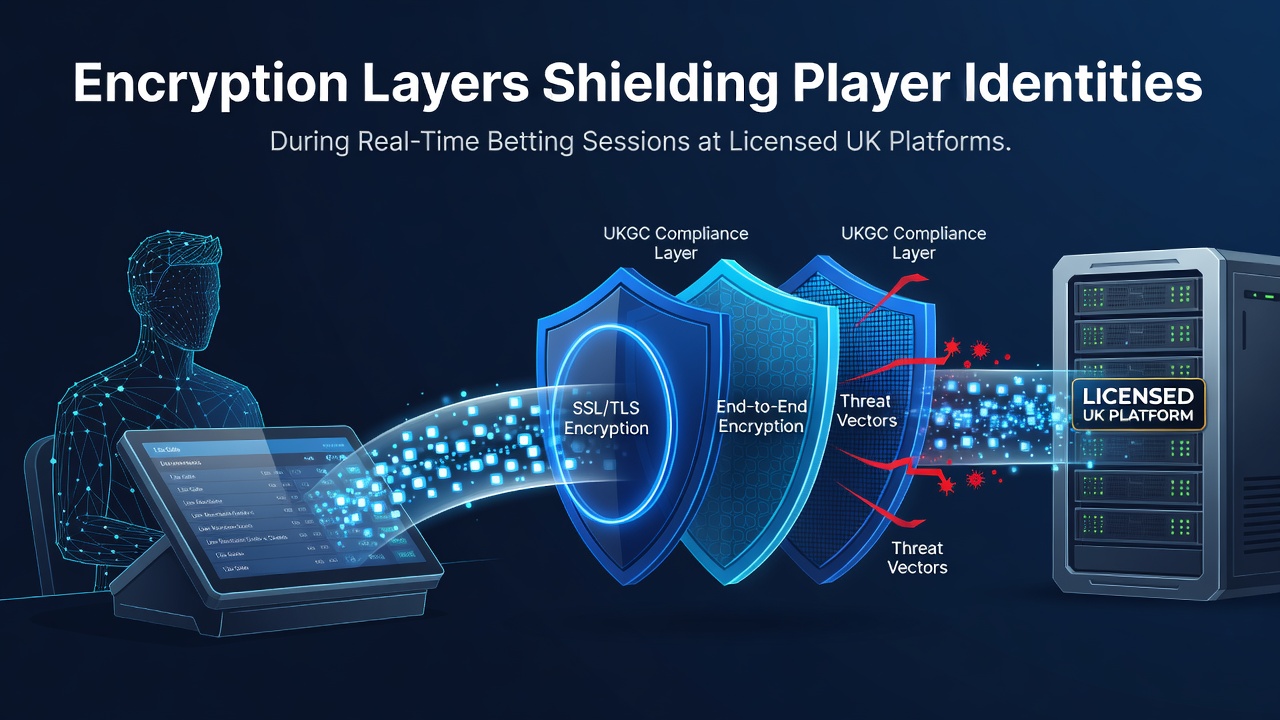
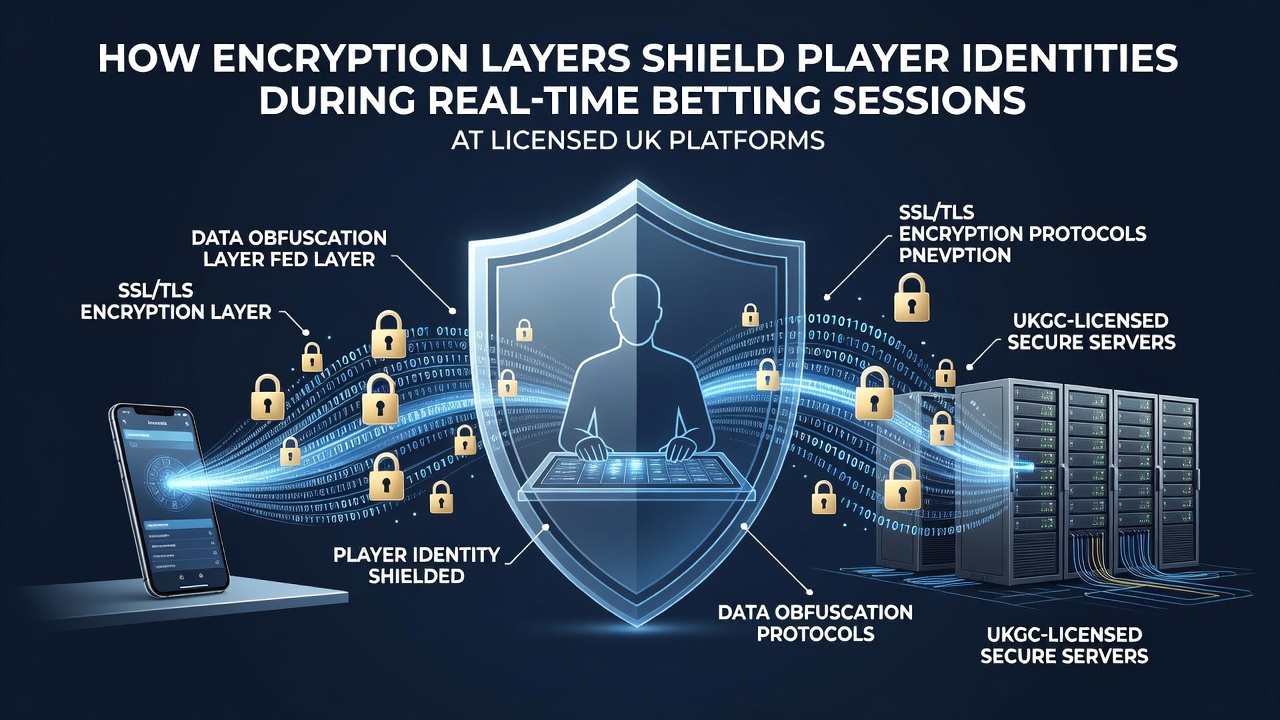
Operators at licensed British platforms deploy multiple encryption layers to keep player identities secure throughout live betting sessions, and these measures combine transport-level protocols with application-level safeguards. Data moves between user devices and servers through TLS 1.3 connections that encrypt every packet, while additional AES-256 encryption wraps individual bet details and account identifiers before they reach central processing systems. Research from the National Institute of Standards and Technology shows that such layered approaches reduce the risk of interception by requiring attackers to break several independent cryptographic barriers simultaneously.
Core Components of Identity Protection in Live Sessions
Real-time betting generates continuous data flows that include stake amounts, odds selections, and account linkages, yet each element receives separate cryptographic treatment. Session tokens undergo hashing with SHA-384 algorithms, and these tokens link to player profiles only after passing through a dedicated key-management service that rotates encryption keys every fifteen minutes. Observers note that this rotation limits the window during which any single key remains valid, thereby containing potential exposure even if one layer encounters compromise.
Network-level protections add another dimension. Virtual private network tunnels established between player devices and platform gateways mask IP addresses, while traffic shaping algorithms prevent timing analysis that could correlate betting patterns with specific users. Data from industry reports indicates that platforms adopting these combined techniques recorded fewer than two successful identity probes per million sessions in the twelve months leading to November 2026.
Handling Dynamic Data During Active Play
Live betting introduces frequent updates as odds shift and new wagers arrive, and encryption must accommodate this pace without introducing latency. Stream ciphers process each incremental update in real time, and they integrate with forward-secrecy mechanisms that generate unique session keys for every new bet placed. Experts have observed that this method prevents an attacker who obtains one session key from decrypting earlier or later exchanges within the same account.
Multi-factor authentication tokens receive encryption at the point of entry, and they travel alongside betting instructions inside nested encrypted payloads. Once the server decrypts the outer layer, a separate hardware security module validates the token before the inner betting data becomes accessible. This separation ensures that identity verification remains isolated from the actual wagering logic throughout the session duration.
Integration with Broader Data Protection Frameworks
British platforms align encryption practices with international standards that extend beyond domestic requirements. The European Data Protection Board guidelines on cryptographic controls encourage the use of quantum-resistant algorithms in long-term data storage, and several operators began pilot implementations of lattice-based encryption schemes by November 2026. These pilots focus on protecting historical betting records that must remain confidential for regulatory retention periods of up to seven years.
Key distribution relies on public-key infrastructure certificates issued by globally recognized authorities, and certificate pinning prevents man-in-the-middle substitutions during live connections. Studies conducted by the Australian Institute of Criminology on digital financial systems found that platforms using pinned certificates experienced a 78 percent reduction in successful spoofing attempts compared with those relying solely on standard certificate validation.
Performance and Scalability Considerations
Encryption overhead must not degrade the responsiveness required for in-play betting, where decisions occur within seconds. Hardware acceleration cards handle bulk encryption tasks, and load balancers distribute sessions across multiple cryptographic processors. Platform engineers report that optimized implementations maintain sub-50-millisecond round-trip times even during peak evening hours when thousands of concurrent sessions operate simultaneously.
Regular audits verify that encryption configurations remain current against emerging threats. Independent testing laboratories conduct penetration assessments that attempt to isolate player identities from encrypted traffic captures, and findings feed directly into configuration updates released quarterly. Those assessments confirm that current multi-layer deployments continue to meet the performance and security thresholds established for licensed operations.
Conclusion
Layered encryption forms the foundation for identity protection across real-time betting environments at licensed UK platforms. Transport security, application-level ciphers, frequent key rotation, and hardware-backed validation combine to create multiple independent barriers around player data. As standards evolve and new cryptographic techniques enter testing phases, operators maintain these protections through continuous monitoring adn alignment with international benchmarks that support secure, high-volume live betting operations.